
Winter Garden Design: How to Keep Your Landscape Attractive in Cold Months
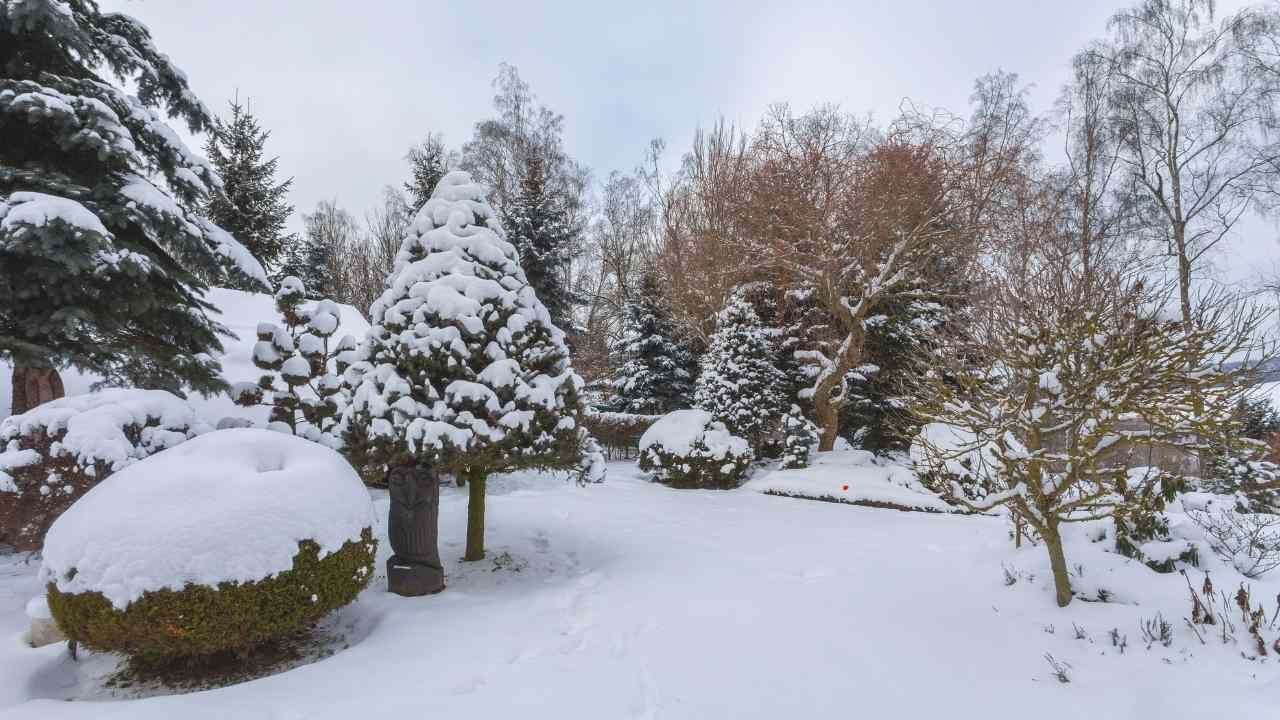
Winter has a way of exposing weak landscapes. Once the leaves fall and flowers fade, poor planning becomes obvious fast. The good news is that with smart design choices, your outdoor space can still look intentional, balanced, and attractive, even in the coldest months.
In this article, you’ll learn how to design a winter-ready garden that holds visual interest, protects your plants, and reduces maintenance headaches. From structure to plant selection, these strategies help your landscape work year-round instead of shutting down after fall.
Start With Structure, Not Flowers
Winter design isn’t about blooms, it’s about bones. Strong structure keeps your garden from looking empty when color disappears, which is why many homeowners work with a landscaping contractor in New Haven CT to rethink layout before winter hits.
Focus on:
- Evergreen shrubs and hedges for consistent form
- Hardscaping like stone paths, retaining walls, and borders
- Defined garden beds with clean edges
Think of structure as the frame of a house. When it’s solid, everything else looks better—even in snow.
Choose Plants That Shine in Winter
Not all plants go dormant quietly. A skilled garden landscaping specialist knows which varieties bring texture, color, and movement when temperatures drop.
Look for:
- Evergreens with varied needle or leaf textures
- Plants with colorful bark like red twig dogwood
- Ornamental grasses that hold shape through frost
- Berry-producing shrubs for visual pop and wildlife appeal
The goal isn’t brightness, it’s contrast. Subtle differences in shape and tone go a long way in winter landscapes.
Use Mulch and Ground Cover Strategically
Bare soil in winter looks unfinished and invites problems. Mulch does double duty by improving appearance and protecting roots from freeze-thaw cycles.
Best practices include:
- Applying 2–3 inches of mulch before deep freezes
- Using dark mulch to create contrast against snow
- Filling gaps with winter-hardy ground cover plants
This approach keeps beds tidy while reducing erosion and plant stress.
Don’t Ignore Trees and Pruning
Trees are often the stars of winter gardens. Their branching patterns become visual features once leaves drop, especially when properly maintained by professionals like Avalanche Tree and Landscaping LLC.
Winter is an ideal time for:
- Structural pruning
- Removing dead or dangerous branches
- Shaping trees for better long-term growth
Clean tree lines and balanced canopies instantly elevate the look of a winter yard.
Add Hardscape Accents That Pop
Hardscaping becomes more important when plants fade into the background. Stone, metal, and wood elements stand out beautifully in winter light.
Consider adding:
- Decorative boulders or stone benches
- Trellises or arbors for vertical interest
- Fire pits or seating areas for year-round use
These features give your garden purpose even when you’re not actively planting.
Case Study: A Practical Winter Upgrade
A New Haven homeowner struggled with a dull, lifeless yard every winter. The landscape relied heavily on annuals and summer perennials, leaving nothing behind once temperatures dropped. After redesigning with evergreen shrubs, ornamental grasses, and stone borders, the yard transformed. Even under light snow, the space felt intentional and clean. Maintenance time dropped, curb appeal improved, and the homeowner finally enjoyed looking out the window all year, not just in summer.
Plan Now, Enjoy Later
Winter landscapes don’t happen by accident. They’re the result of smart planning, plant selection, and structure-focused design. If your yard disappears every winter, it’s time to rethink the approach and design for all four seasons, starting now. Contact us today to start your seasonal landscape consultation.