
What Happens If You Don’t Grind a Tree Stump?
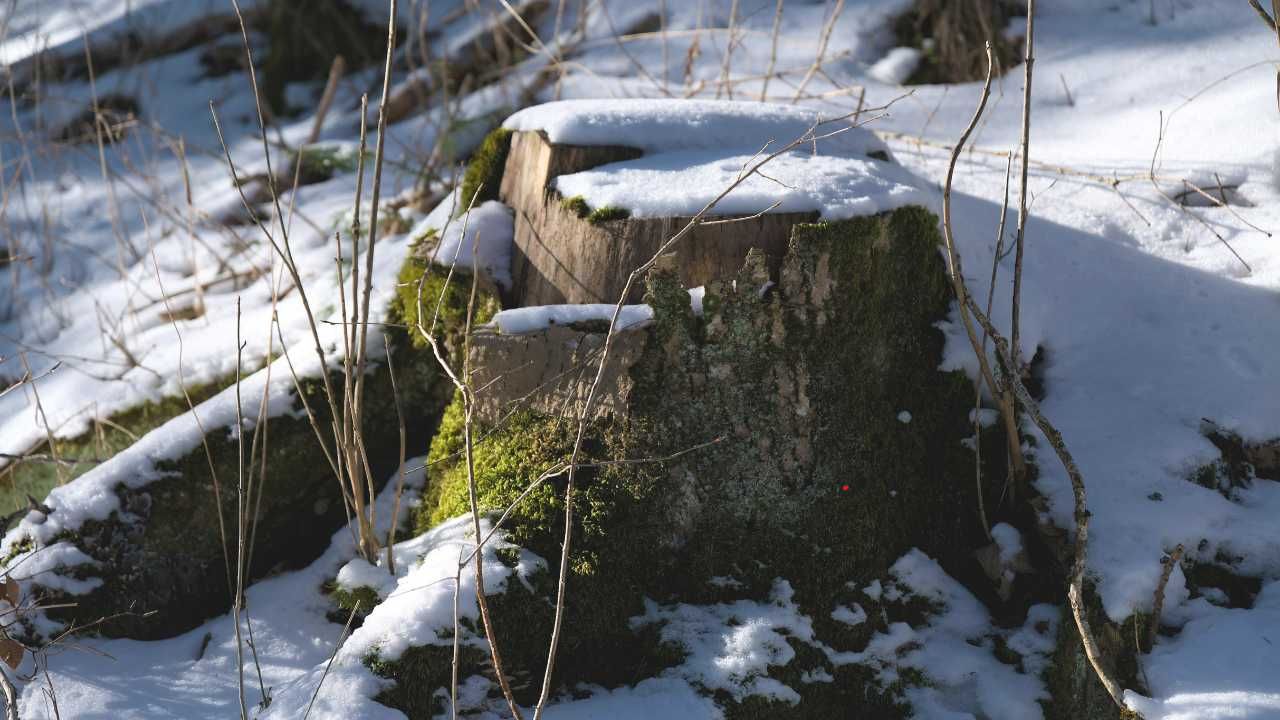
You cut down the tree, breathe a sigh of relief, and move on, except for that stubborn stump left behind. It looks harmless, but ignoring it is a mistake that tends to snowball. Tree stumps don’t just sit there quietly; they create problems that get worse with time, cost more to fix later, and can turn into real safety and property headaches.
In this article, you’ll learn exactly what happens when a tree stump is left to rot, why it attracts pests and damage, and when stump removal stops being optional and becomes necessary.
A Stump Is Not “Dead” in the Way You Think
Once a tree is cut, many homeowners assume the stump is inert. That’s rarely true. Beneath the surface, roots may still be alive, slowly decaying, spreading fungi, or even sending up new shoots. In areas like New Haven, where moisture and seasonal changes are common, stumps break down unevenly and unpredictably.
This is why many homeowners eventually look into stump grinding in New Haven CT after realizing the stump didn’t “take care of itself” like they hoped.
Left alone, a stump can:
- Sink and create soft spots in your yard
- Interfere with future landscaping or construction
- Become a tripping hazard for kids and guests
What starts as an eyesore often ends as a liability.
Pest Infestations Love Old Tree Stumps
Rotting wood is a magnet for pests. Termites, carpenter ants, beetles, and even rodents see a stump as prime real estate. Once they settle in, it’s a short trip from the stump to your home, fence, deck, or shed.
This is one of the biggest long-term risks homeowners underestimate. Pest infestations don’t stay localized. They spread quietly, and by the time you notice damage, repairs are far more expensive than removing the stump would have been.
This is where local tree experts often step in and not just to remove the stump, but to prevent a larger problem from taking root.
Your Property Value Takes a Hit
From a buyer’s perspective, a leftover stump signals unfinished work or poor maintenance. It breaks curb appeal and raises questions about what else may have been neglected.
Even if you’re not planning to sell soon, appraisers and inspectors do notice stumps, especially large ones near structures, walkways, or fences. What feels like a small cosmetic issue today can quietly shave value off your property tomorrow.
The Problem Gets Harder (and More Expensive) Over Time
Here’s the blunt truth: stumps don’t get easier to deal with. Roots harden, decay spreads, and removal becomes more complicated. DIY solutions rarely work long-term, and chemical treatments can harm surrounding soil.
Grinding the stump early:
- Prevents regrowth and pest issues
- Restores usable space in your yard
- Keeps long-term maintenance costs down
Waiting usually means paying more later for removal, repairs, or pest control.
Final Takeaway
Leaving a tree stump behind isn’t neutral. It’s a slow-moving problem that affects safety, soil health, pests, and property value. Grinding it out early is the cleanest, smartest way to truly finish the job and protect your yard long-term.
If you want your yard done right and not half-finished, talk to a professional and deal with the stump before it turns into a bigger problem.