
The Ultimate Guide to Tree Care: How to Keep Your Trees Healthy
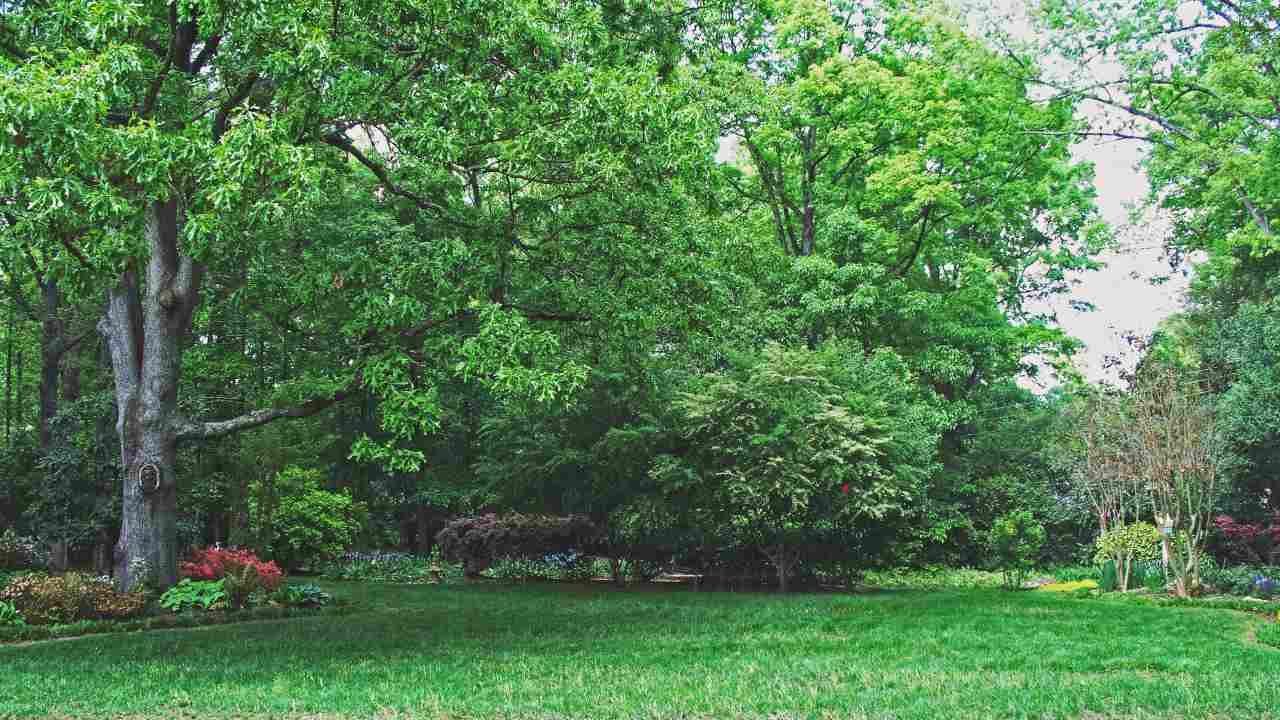
If you’ve ever looked at your yard and wondered whether your trees are actually thriving or just surviving, you’re not alone. Homeowners everywhere struggle with knowing what their trees really need. And that’s exactly why getting a professional tree service in New Haven CT early on can make the difference between a strong, beautiful tree and one that slowly declines without you noticing.
Healthy trees don’t happen by accident. They rely on proper care, consistent monitoring, and smart decisions throughout the year. Companies like Avalanche Tree and Landscaping LLC often remind homeowners that good tree care isn’t just cosmetic, it protects your property, boosts curb appeal, and prevents unexpected hazards. When you approach your yard with a focus on tree safety and maintenance, you set up your landscape for long-term success.
In this guide, you’ll learn the essential steps that keep trees growing strong, resisting disease, and looking great season after season.
1. Start With a Thorough Inspection
Strong tree care begins with understanding the current state of your trees. Look for warning signs such as:
- Cracks in the trunk
- Branches growing in awkward or unstable patterns
- Mushrooms or fungus at the base
- Leaves that look discolored or sparse
These issues don’t always mean your tree is dying, but they do mean something needs attention. A routine inspection, at least twice a year, helps you catch hidden problems early and prevents minor issues from turning into costly ones.
2. Master Proper Watering and Mulching
One of the simplest ways to support tree health is by watering correctly. Trees prefer deep, slow watering rather than frequent shallow sprinkling. This encourages roots to grow deeper and stronger.
Mulching is another game changer. A good layer of mulch:
- Stabilizes soil temperature
- Helps the soil retain moisture
- Reduces weed competition
- Protects roots from mechanical damage
Just avoid piling mulch directly against the trunk, this traps moisture and can cause rot.
3. Prune With Purpose
Pruning isn’t just about shaping your tree. It’s about:
- Removing dead or weak branches
- Encouraging strong branch structure
- Increasing sunlight and airflow
- Preventing overgrowth that leads to breakage
The best time to prune most trees is late winter or early spring, before new growth begins. Always use clean, sharp tools to avoid damaging the bark or spreading disease.
4. Protect Against Pests and Disease
Even healthy trees can fall victim to insects, fungi, and bacterial infections. The key is proactive management. Keep an eye out for:
- Holes in bark
- Sawdust-like material around the trunk
- Sticky residue on leaves
- Unusual leaf spots
Most problems worsen quietly over time, so early intervention is crucial. In many cases, treatment is most effective when guided by a professional who knows local species and threats.
5. Know When to Bring in the Experts
Some tasks are too dangerous or technically complex for DIY care. If your tree is leaning, splitting, or towering near power lines, don’t take the risk. Expert arborists have the equipment, training, and experience to assess and handle hazardous situations safely.
Case Study: Saving a Storm-Damaged Maple
A homeowner in a mature neighborhood noticed a large crack forming after a heavy storm. At first, it seemed minor. But a professional inspection revealed the tree was carrying too much weight on one side and risked collapsing. After a strategic pruning plan, bracing work, and soil improvement, the tree recovered. Today, it stands healthy and stable, proof that timely expert help can save both trees and property.
Final Thoughts
Healthy trees are worth the investment. They enhance your home, contribute to a safer yard, and add long-term value. With regular inspections, proper watering, smart pruning, and expert support when needed, your landscape will stay strong and vibrant year after year.
Ready to take better care of your trees?
Contact us to schedule an inspection this week.