
How Often Should You Mow Your Lawn? A Quick Guide by Season
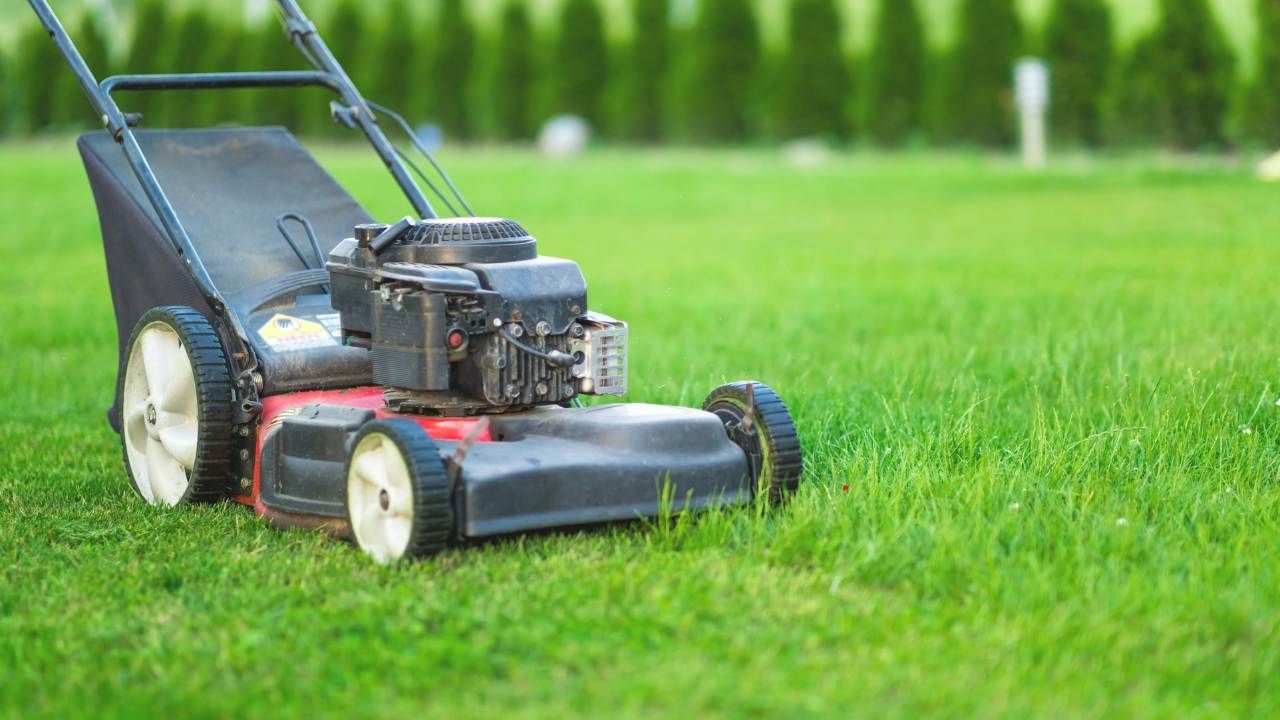
If you’ve ever looked at your lawn and wondered whether it’s time to mow again, you’re not alone. Lawn care feels simple—until it isn’t. The real trick is knowing how grass grows during each season and adjusting your schedule so you’re not cutting too much or too little.
This guide breaks down the ideal mowing frequency by season, plus a few expert tips to keep your yard looking sharp. And if you ever need help with lawn care in New Haven CT, working with trusted pros like Avalanche Tree and Landscaping LLC—one of the reliable local landscaping companies in the area—can save you time and keep your yard in top shape.
Why Mowing Frequency Matters
Mowing isn’t just about making your yard look neat. It affects how healthy your grass becomes over time. Cutting too short can shock the roots. Letting it grow too long leads to pests, patchiness, and uneven regrowth. A well-timed mowing routine helps your lawn:
- Grow thicker
- Resist weeds
- Maintain moisture
- Stay greener for longer
Once you understand how each season affects growth, mowing becomes a whole lot easier.
Spring: Growth Kicks Back Into Gear
Spring is when your lawn wakes up. Warmer temperatures and consistent rainfall send the grass into growth mode.
How often to mow:
Every 1–2 weeks, depending on how quickly your grass grows.
Early spring usually means slower growth, so once every two weeks works fine. By late spring, most lawns grow fast enough to need weekly mowing.
Spring mowing tips:
- Follow the one-third rule—never cut more than a third of the grass blade in one session.
- Keep blades sharp to avoid tearing the grass.
- Raise the mower height early in the season to protect delicate new growth.
Summer: Heat Changes Everything
Summer growth varies depending on temperature and rainfall. In many areas, grass slows down once the heat ramps up. But if there’s steady rain or you’re watering regularly, it may grow just as quickly as in spring.
How often to mow:
Every 1–2 weeks, adjusting based on heat and moisture.
If your lawn looks stressed (dry, brittle, yellowish), mow less often and raise your mower height to give the blades more shade.
Summer mowing tips:
- Mow earlier in the day, before heat peaks.
- Keep the grass longer to protect the soil.
- Avoid mowing right after heavy rain to prevent rutting the soil.
Fall: Slowing Down but Still Growing
Fall brings cooler weather and more moisture—ideal conditions for grass recovery after a long summer. Your lawn may grow surprisingly fast during early fall.
How often to mow:
Every 1–2 weeks, with frequency dropping as temperatures fall.
As the season winds down, gradually lower your mower height. This helps prevent winter matting and reduces the risk of fungus.
Fall mowing tips:
- Clear leaves before mowing so the blades can cut cleanly.
- Make your final cut slightly shorter to prepare the lawn for winter.
- Use fall as a time to overseed or fertilize since mowing frequency is manageable.
Winter: Put the Mower Away
Most lawns go dormant in winter, especially cool-season grasses common in northern climates.
How often to mow:
You usually
don’t need to mow at all.
If there’s an unseasonably warm stretch and your grass grows slightly, wait for the ground to dry and give it a light trim. Never mow frozen or soggy grass.
Winter mowing tips:
- Avoid foot traffic on frosty lawns to prevent damage.
- Use winter downtime to service your mower.
Case Study: A Homeowner’s Seasonal Mowing Fix
Michael, a homeowner juggling work and family, struggled with an uneven, patchy yard. He mowed whenever he remembered—sometimes every week, sometimes once a month. After learning seasonal mowing patterns and setting reminders, he switched to a consistent schedule. The result? Within three months, his lawn thickened, weeds dropped off, and his curb appeal dramatically improved. His neighbors started asking what fertilizer he used—but it was really just better timing.
Keeping your lawn healthy doesn’t have to be complicated. Follow the natural rhythm of the seasons, and your yard will reward you year-round.
Want a lawn that looks great without the guesswork?
Reach out to a local pro and let them handle the heavy lifting.