Tree Pruning 101: When and How to Trim Your Trees
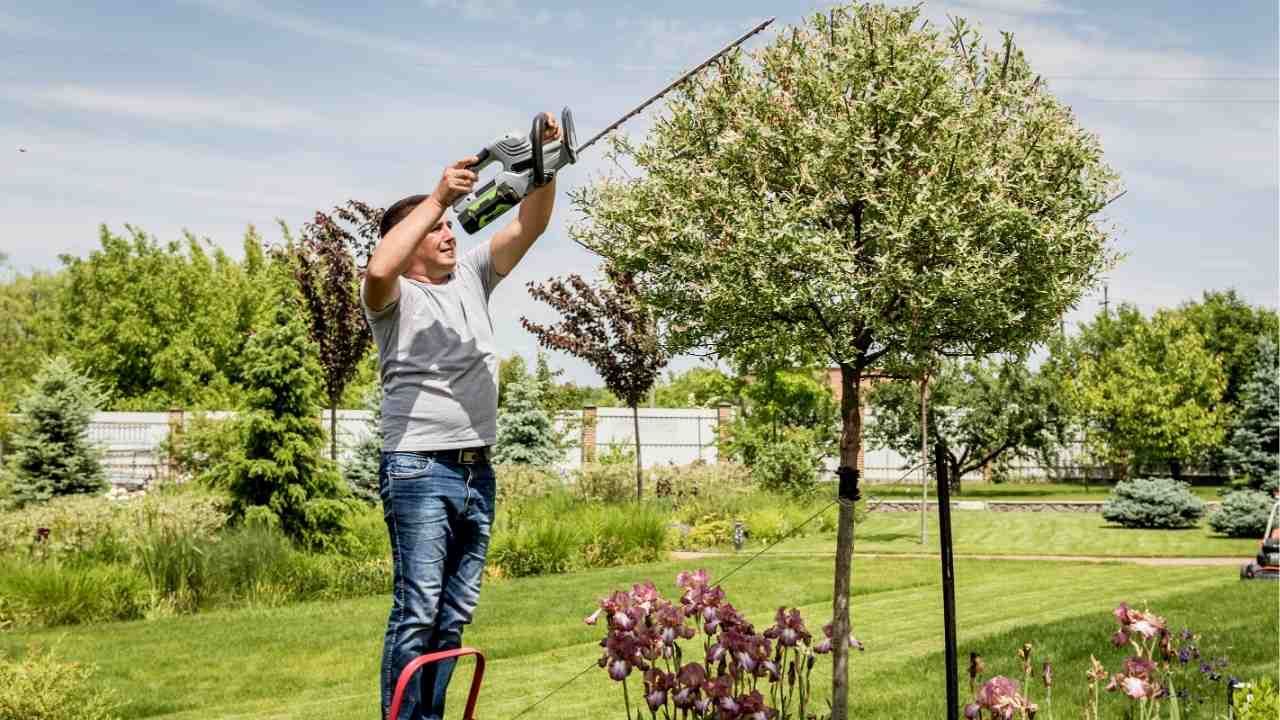
Trees don’t take care of themselves, and ignoring them always comes back to bite. Poorly maintained trees become unsafe, unhealthy, and expensive problems instead of assets. Smart pruning, done at the right time and in the right way, keeps your trees strong, attractive, and long-lasting.
In this guide, you’ll learn when to prune, how to prune correctly, and when it’s time to step back and call a pro. If you want better results without damaging your trees, this is where you start.
Why Tree Pruning Actually Matters
Pruning isn’t about making trees look “neat.” It’s about structure, safety, and long-term health. Proper pruning improves air circulation, allows sunlight to reach inner branches, and removes weak limbs before they fail.
For homeowners investing in tree care in New Haven CT, pruning is one of the most effective ways to prevent storm damage and extend a tree’s lifespan. It also reduces the risk of falling branches near roofs, cars, and power lines, problems that get expensive fast.
When Is the Best Time to Prune Trees?
Timing matters more than most people think. Prune at the wrong time, and you stress the tree or invite disease.
Best times to prune:
- Late winter to early spring: Ideal for most trees while they’re dormant
- After flowering: For spring-blooming trees, prune once blooms fade
- Anytime (if necessary): Dead, broken, or dangerous limbs should be removed immediately
Avoid heavy pruning in:
- Mid-summer (can weaken trees)
- Fall (increases disease risk)
If you’re unsure about timing, a trained tree specialist can identify the safest pruning window based on species and condition.
How to Prune Trees the Right Way
This is where many DIY attempts go wrong. Bad cuts don’t just look ugly, they weaken the tree permanently.
Follow these pruning basics:
- Remove dead, diseased, or crossing branches first
- Cut just outside the branch collar (never flush to the trunk)
- Use sharp, clean tools to avoid tearing bark
- Never remove more than 25% of the canopy at once
Avoid “topping” trees. It’s not pruning, it’s damage. Topping leads to weak regrowth, decay, and higher failure risk down the line.
Homeowners who want it done right often turn to Avalanche Tree and Landscaping LLC for professional pruning that protects both the tree and the property.
When DIY Pruning Becomes a Bad Idea
Light pruning is fine for small ornamental trees. But large trees, mature canopies, or branches near structures are not DIY projects.
You should call a professional if:
- Branches are near power lines
- Trees are over two stories tall
- You see cracks, decay, or fungal growth
- Storm damage is involved
A professional arborist has the training, equipment, and insurance to handle complex jobs safely, without risking injury or liability.
A Quick Real-World Example
A New Haven homeowner delayed pruning a large maple for years, assuming it was “healthy enough.” After a heavy spring storm, a weakened limb split and crushed part of their fence. A post-incident inspection revealed years of overcrowded growth and internal decay that proper pruning would have prevented. After corrective pruning and structural thinning, the tree stabilized, sunlight returned to the yard, and future storm risk dropped dramatically, all at a fraction of the repair cost.
Final Takeaway
Tree pruning isn’t optional maintenance, it’s essential care. Done correctly, it protects your home, improves tree health, and saves money long-term. Done poorly, it creates bigger problems than it solves.
If your trees haven’t been professionally evaluated in years, now’s the time to act, before nature forces the issue.
Contact us to get started.