How to Choose the Best Plants for Your Climate Zone
Choosing plants without considering your climate zone is a fast way to waste time, money, and patience. Too many homeowners fall in love with how a plant looks at the nursery, only to watch it struggle or die months later. If you want a yard that actually thrives, climate compatibility has to come first.
In this guide, you’ll learn how climate zones work, why they matter more than trends, and how to select plants that grow strong with less maintenance. The goal is simple: smarter choices, healthier plants, and fewer expensive replacements.
Start With Your Climate Zone (Not the Plant Tag)
Your climate zone determines what can realistically survive outdoors year-round. In the U.S., most homeowners rely on the USDA Plant Hardiness Zone Map, which is based on average annual minimum winter temperatures. That zone number isn’t a suggestion, it’s a boundary.
If a plant isn’t rated for your zone, you’re gambling. It might survive one mild season, but extreme heat, cold snaps, or frost will eventually take it out. This is why experienced pros, including any reliable landscaping contractor in New Haven CT, start plant selection with climate data before design ideas.
Look Beyond Temperature: Sun, Rain, and Soil Matter
Climate zones are a baseline, not the full story. Two homes in the same zone can have very different growing conditions. Before buying anything, assess these factors:
- Sun exposure: Full sun, partial shade, or full shade
- Rainfall patterns: Consistent moisture vs. dry summers
- Soil type: Sandy, loamy, clay-heavy, or compacted
For example, a plant that thrives in your zone may still fail if it needs well-draining soil and your yard holds water. Matching plants to real conditions reduces maintenance and improves long-term survival.
Native Plants Are the Smart Shortcut
Native plants evolved in your region’s climate long before landscaping trends existed. That gives them built-in advantages:
- Better resistance to local pests and diseases
- Lower water and fertilizer requirements
- Stronger performance during weather extremes
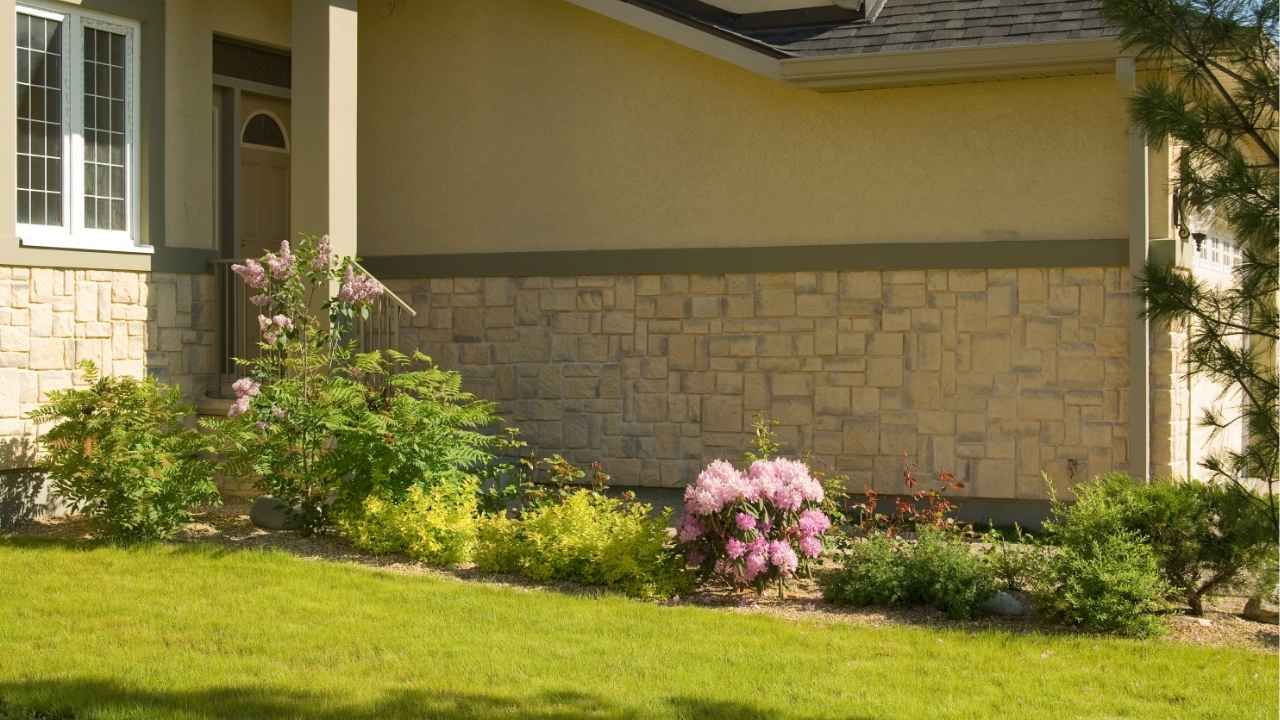
When homeowners want low-effort front yard landscaping that still looks polished, natives are often the backbone of the design. They’re not boring anymore either, modern cultivars offer color, texture, and structure without being fragile.
Avoid the “One-Season Wonder” Trap
Annuals and exotic plants can look amazing short-term, but they’re often high-maintenance and short-lived. If your goal is a landscape that improves year after year, prioritize perennials, shrubs, and trees suited to your zone.
A balanced approach works best: use a few accent plants for visual pop, but anchor your yard with climate-hardy choices that won’t need constant replacement.
Case Study: Smarter Choices, Better Results
A New Haven homeowner wanted a dramatic front yard makeover and initially selected plants based purely on appearance. Within one year, nearly 40% failed due to cold damage and poor soil tolerance. After consulting Avalanche Tree and Landscaping LLC, the plan shifted to zone-appropriate shrubs, native perennials, and soil amendments. The result was a cleaner design, fewer replacements, and significantly lower maintenance costs. Two years later, the landscape is fuller, healthier, and requires less watering and seasonal intervention.
Think Long-Term, Not Just First Impressions
The best landscapes don’t peak on day one, they mature. When choosing plants, ask how they’ll look in three, five, or ten years. Consider growth size, root spread, and seasonal changes. Overcrowding or planting the wrong species creates expensive problems later.
If you’re unsure, that’s not a weakness, it’s a signal to get professional input before planting mistakes become permanent.
Want a landscape that actually works with your climate instead of fighting it? Start by choosing plants that belong where you live.
Contact us to learn more.