Protect Your Landscape During Tree Removal
Removing a tree sounds simple, until you see tire ruts across your lawn, crushed shrubs, and torn-up flower beds. Tree removal can either preserve your yard’s beauty or leave it looking like a construction site. The difference comes down to planning and precision.
If you're working with a landscaping contractor in New Haven CT, understanding how tree removal affects your overall landscape design is critical. Even when you hire professional tree services, the goal should be clear: remove the problem tree without damaging everything around it.
In this guide, you’ll learn how to protect your lawn, garden beds, hardscapes, and irrigation systems during tree removal. You’ll also discover practical steps that prevent costly repairs later.
1. Start With a Strategic Removal Plan
Tree removal should never begin with just a chainsaw and a truck. It starts with a site evaluation.
A solid plan considers:
- Tree size and lean direction
- Proximity to structures and fences
- Location of flower beds and shrubs
- Underground utilities and irrigation lines
- Equipment access routes
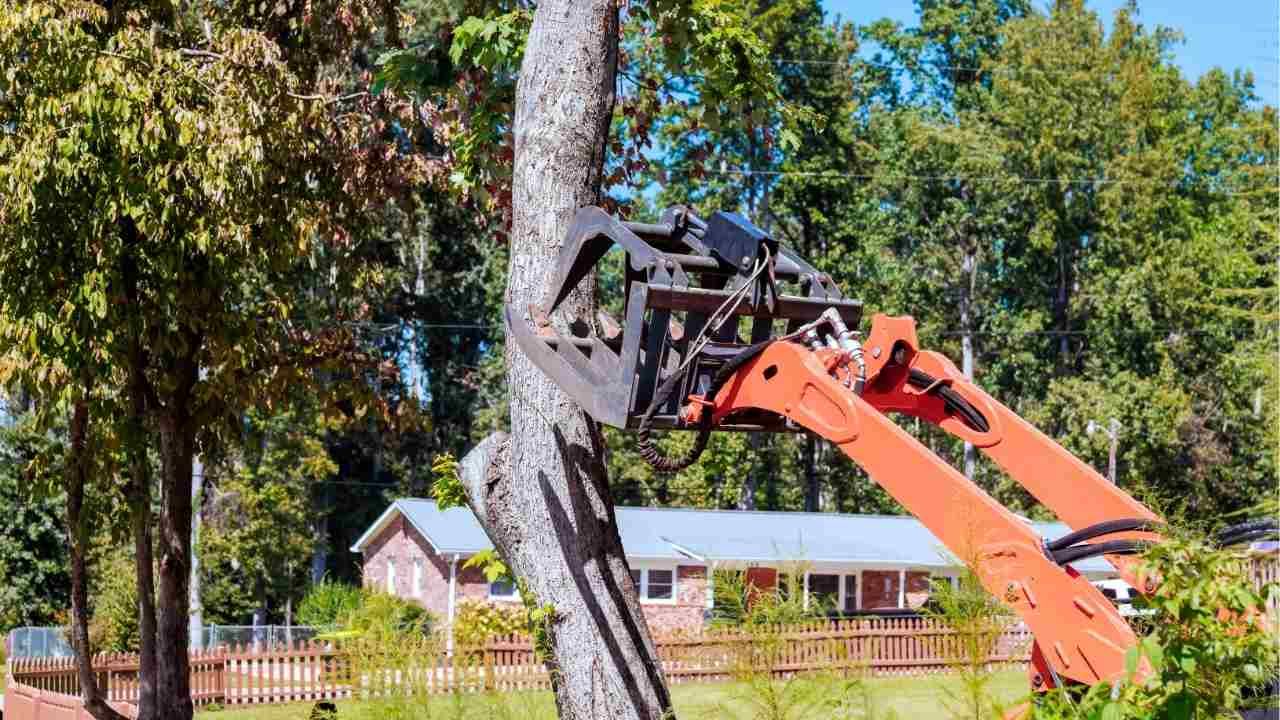
Professionals often use sectional dismantling instead of cutting the tree down in one piece. This means removing the tree branch by branch, then lowering trunk sections carefully with ropes. It minimizes impact and gives full control over where debris lands.
When the removal is part of a larger yard upgrade, planning should align with your long-term landscape design goals. That way, you’re not just removing a problem, you’re improving the space.
2. Protect the Lawn From Heavy Equipment Damage
Heavy machinery is often the biggest threat to your landscape, not the falling tree.
Skid steers, cranes, and stump grinders can compact soil and tear up turf. To prevent this:
- Use plywood or protective ground mats
- Restrict equipment to designated pathways
- Avoid working after heavy rain
- Minimize repeated passes over the same area
Soil compaction damages root systems of nearby plants and reduces drainage. Once compacted, grass struggles to recover.
A reputable crew will plan equipment access before work begins. They’ll choose the safest route to protect existing landscaping features and avoid unnecessary damage.
3. Shield Surrounding Plants and Hardscapes
Falling limbs can crush more than just grass. Shrubs, decorative trees, patios, and even retaining walls are vulnerable.
Protective measures include:
- Installing temporary plywood shields over delicate plants
- Tying back nearby branches
- Covering garden beds with tarps
- Using rigging systems to lower branches instead of letting them fall
If there are decorative elements like fountains, lighting fixtures, or stone pathways nearby, those should be clearly marked and protected.
Smart tree removal is about control. Every cut should be intentional. Every piece should land exactly where planned.
4. Handle the Stump Without Destroying the Yard
Stump grinding is often more disruptive than the actual tree removal. The grinding machine can scatter wood chips and disturb surrounding soil.
To protect your yard:
- Create a debris containment barrier
- Cover nearby plants before grinding
- Remove excess wood chips promptly
- Re-level and reseed disturbed soil
If you’re planning to replant or redesign the space, the soil may need conditioning after stump removal. Grinding leaves behind organic material that changes soil composition.
A clean finish matters. The goal isn’t just to remove the tree, it’s to leave your yard looking better than before.
Case Study: A Controlled Removal Done Right
A homeowner had a large oak tree leaning toward their driveway and garden beds. The roots were lifting sections of a stone walkway. Instead of cutting it down in one piece, the crew dismantled it in sections using ropes and a controlled lowering system.
Ground mats protected the lawn from equipment damage. Shrubs were shielded with plywood. After stump grinding, the soil was regraded and reseeded.
Two weeks later, the lawn showed minimal stress, and the homeowner moved forward with a redesigned garden area. The tree was gone, but the landscape remained intact.
Final Thoughts
Tree removal doesn’t have to mean landscape destruction. With proper planning, protective measures, and experienced execution, you can remove problematic trees while preserving the beauty of your yard.
If you’re considering tree removal, make sure the team you hire understands both safety and landscape protection. A careful approach today saves you from expensive repairs tomorrow.
If you’re ready to protect your property the right way, reach out and work with professionals who treat your landscape with respect and precision.