



Affordable Landscaping In New Haven CT
Avalanche Tree and Landscaping LLC offers top-quality affordable landscaping in New Haven, CT, tailored to your needs. Whether you need lawn maintenance, hardscaping, or seasonal cleanup, our skilled team ensures your property looks its best. Trust us for expert landscaping in New Haven, CT—contact us today!
Get a FREE Quote
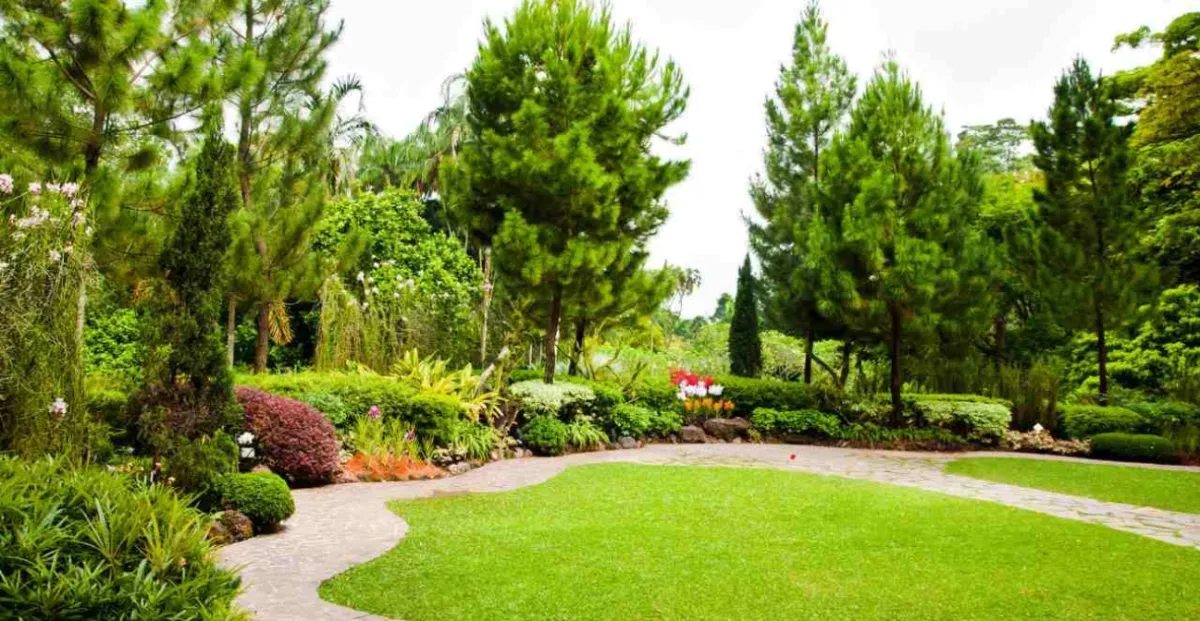
Local Landscapers in New Haven CT
Look into landscaping and lawn care service in New Haven, CT
Does your Connecticut landscape look the way you've always wanted it to? If your landscape has seen better days, you may just need tree and lawn care service. Avalanche Tree and Landscaping LLC, the best landscaping company in New Haven, CT, is here to help. Our locally owned company offers power washing, tree service, and landscaping in New Haven, CT.
Whether you own a home or a commercial space, you can depend on our top-rated company and our team of experienced garden landscapers and local landscape designers. We specialize in transforming local landscapes into breathtaking outdoor spaces. From residential landscaping to commercial projects, our skilled team can design a landscape from scratch or handle the upkeep of your current space. When it comes to lawn care in New Haven, CT, we're your go-to residential landscaper, providing comprehensive services to meet your needs.
Trust Avalanche Tree and Landscaping LLC for all your landscaping needs. Contact us today to learn more about our services and how we can enhance your property with our local landscaping services.
Is it expensive to live in New Haven CT?
Living in New Haven, CT, offers a balance of urban convenience and affordability, with costs varying by neighborhood. Areas near Yale University and downtown often have higher housing prices due to demand, while surrounding communities provide more budget-friendly options. Keeping your property well-maintained is essential in this dynamic real estate market, whether you’re a homeowner or business owner.
Avalanche Tree and Landscaping LLC provides expert landscaping, tree removal, hardscaping, and snow removal services to keep your home or business looking its best year-round. A well-maintained outdoor space not only enhances aesthetics but also increases property value and safety. Whether you need seasonal maintenance or a complete landscape transformation, we’re here to help.
Is it expensive to live in New Haven CT?
Living in New Haven, CT, offers a balance of urban convenience and affordability, with costs varying by neighborhood. Areas near Yale University and downtown often have higher housing prices due to demand, while surrounding communities provide more budget-friendly options. Keeping your property well-maintained is essential in this dynamic real estate market, whether you’re a homeowner or business owner.
Avalanche Tree and Landscaping LLC provides expert landscaping, tree removal, hardscaping, and snow removal services to keep your home or business looking its best year-round. A well-maintained outdoor space not only enhances aesthetics but also increases property value and safety. Whether you need seasonal maintenance or a complete landscape transformation, we’re here to help.
Our Services
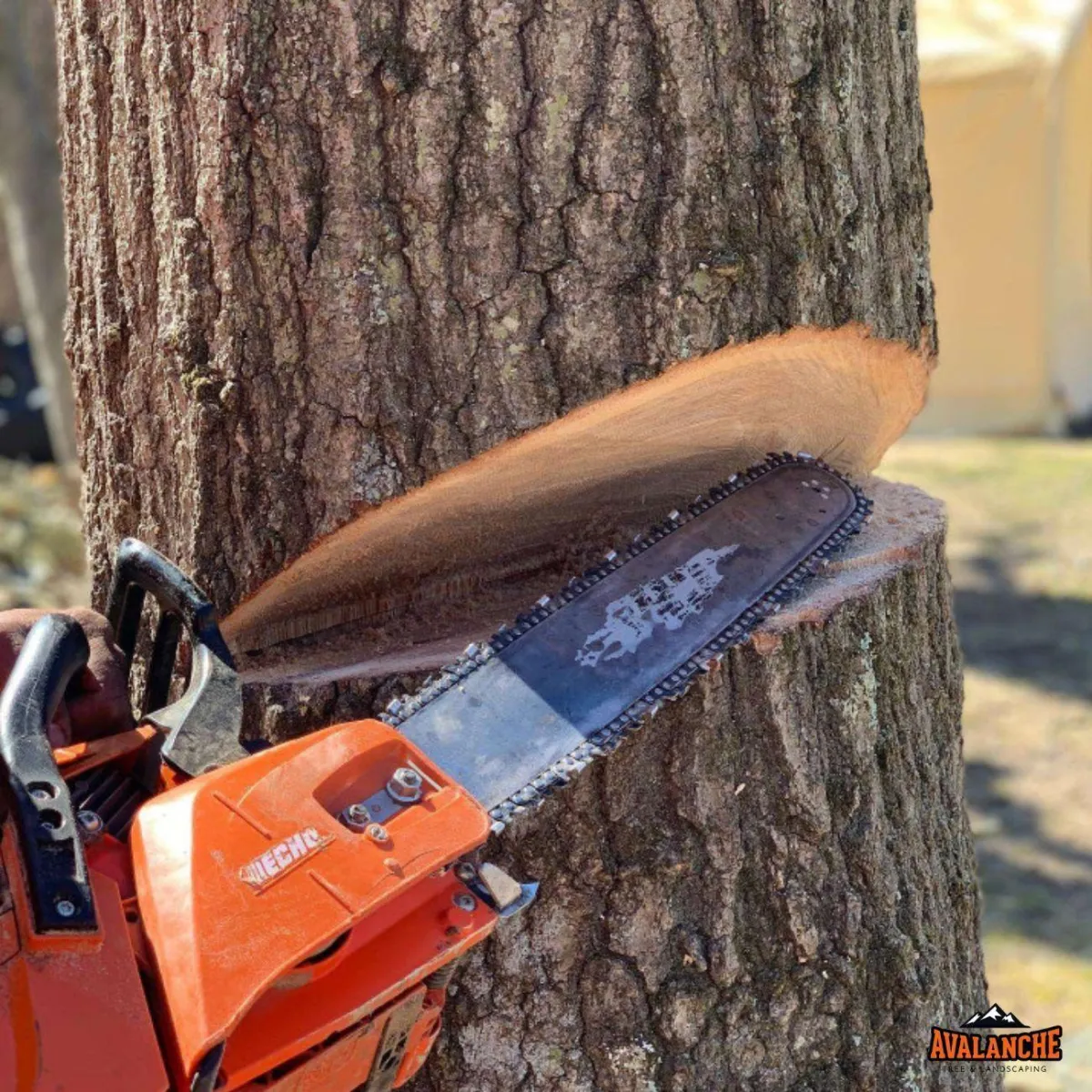
Tree Work
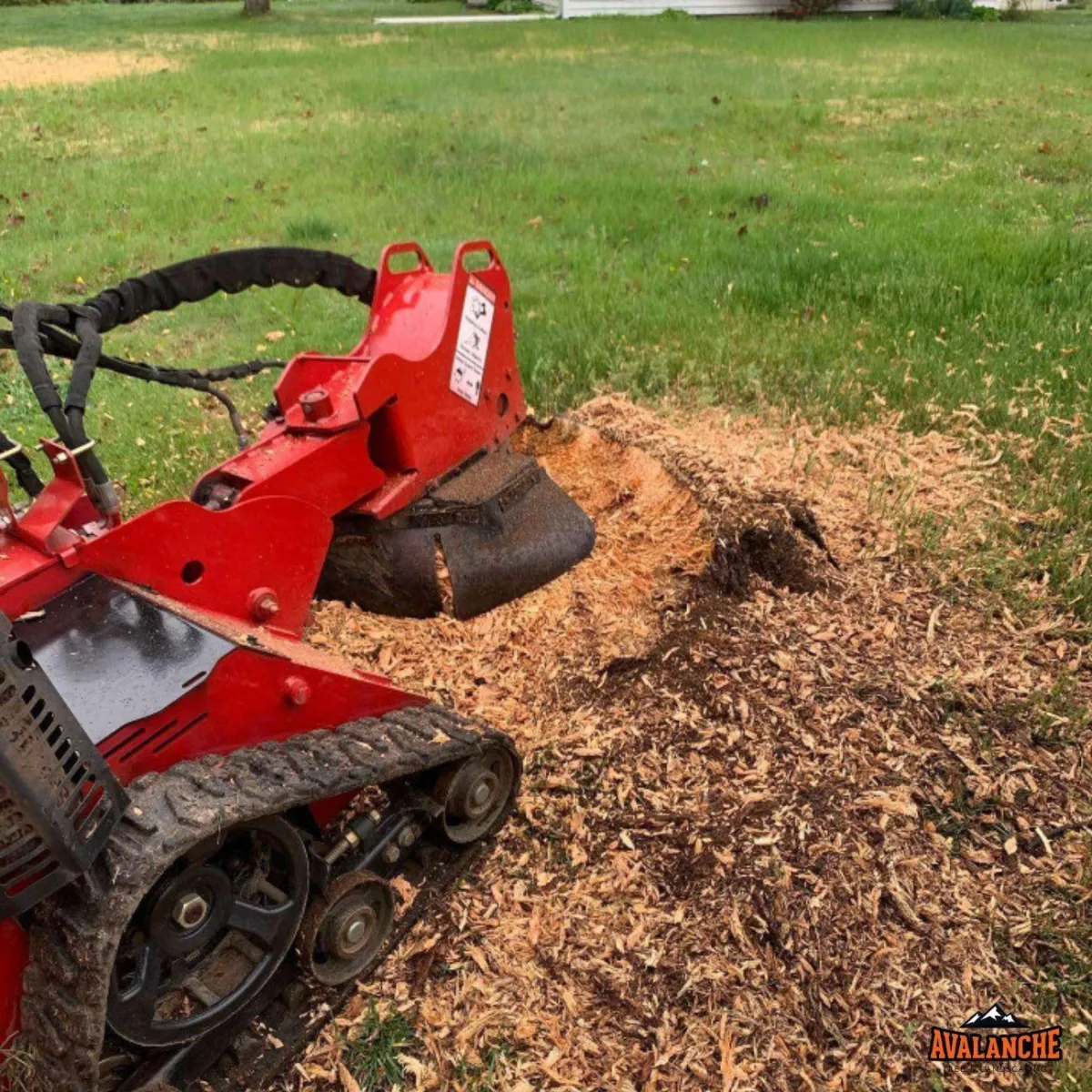
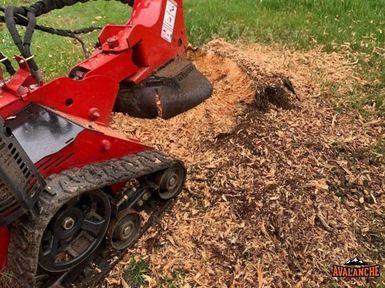
Stump Grinding
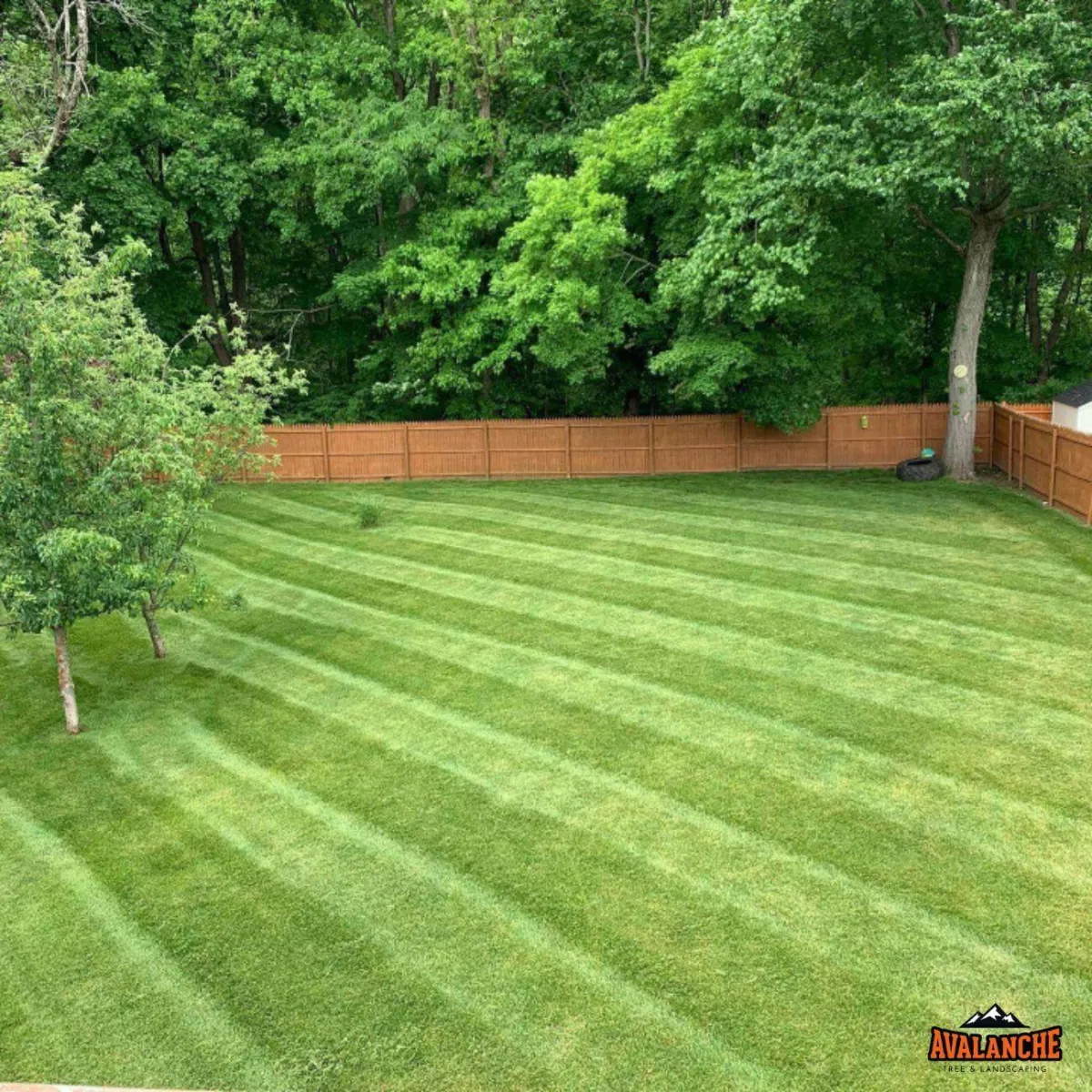
Lawn Care
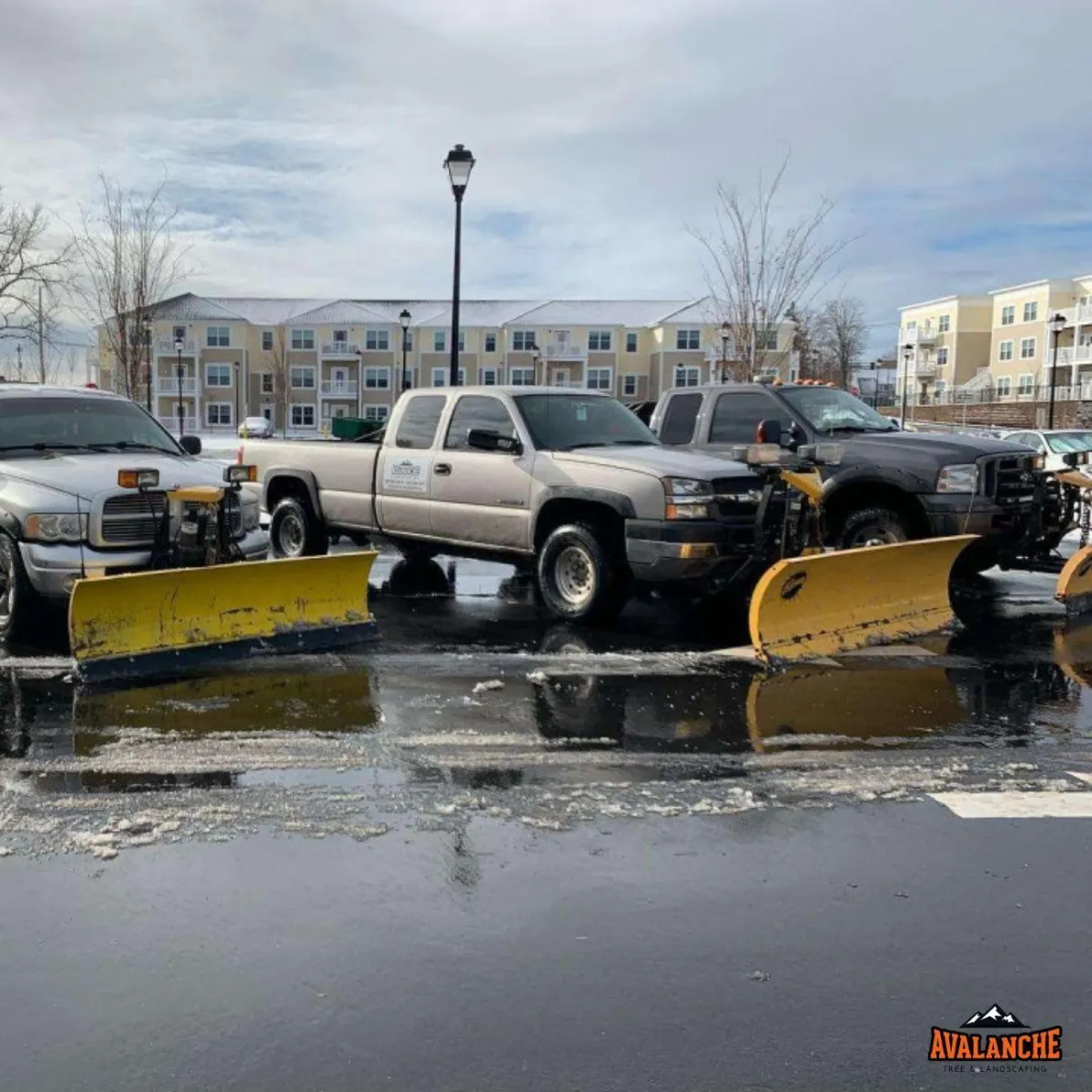
Snow Cleanup
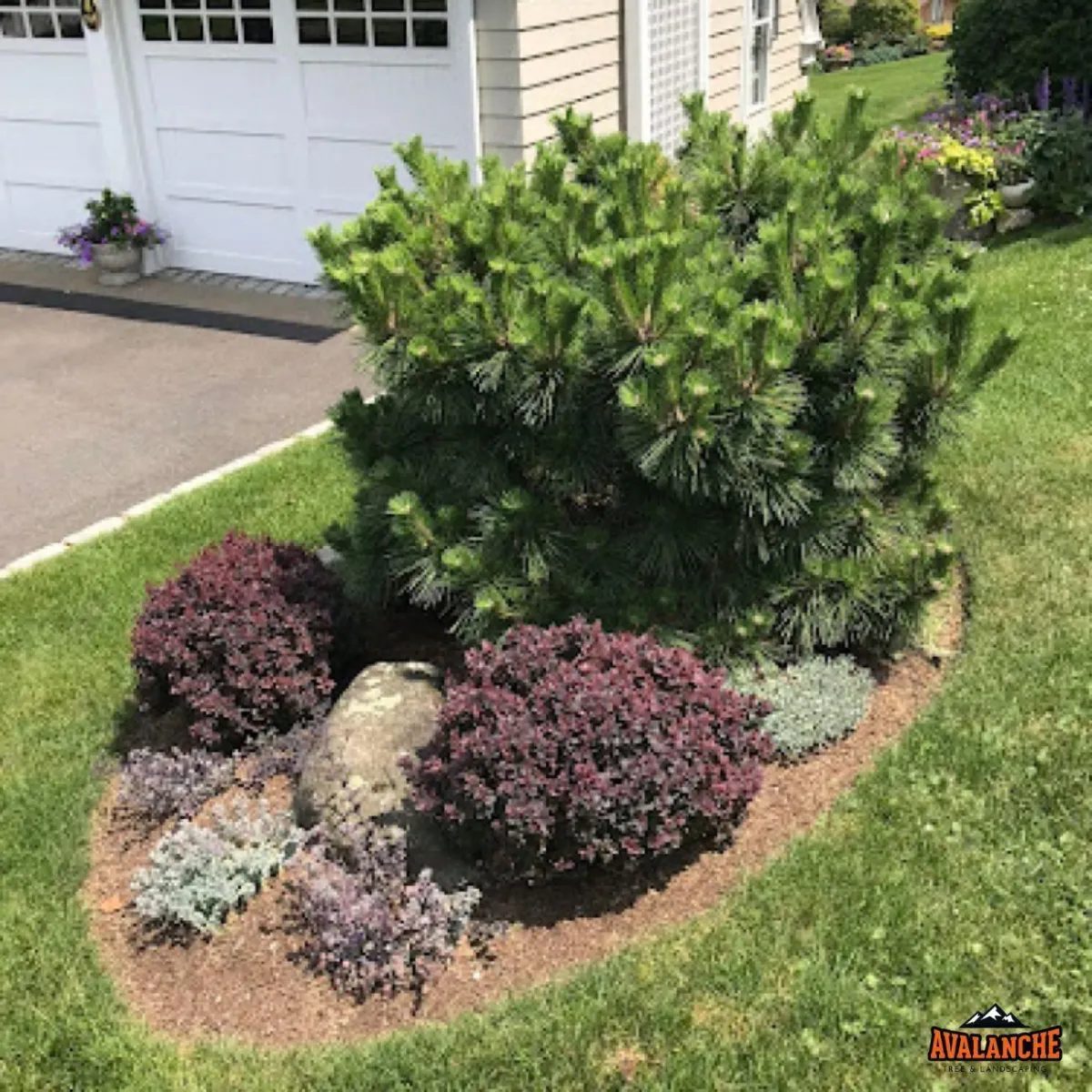
Landscape Design
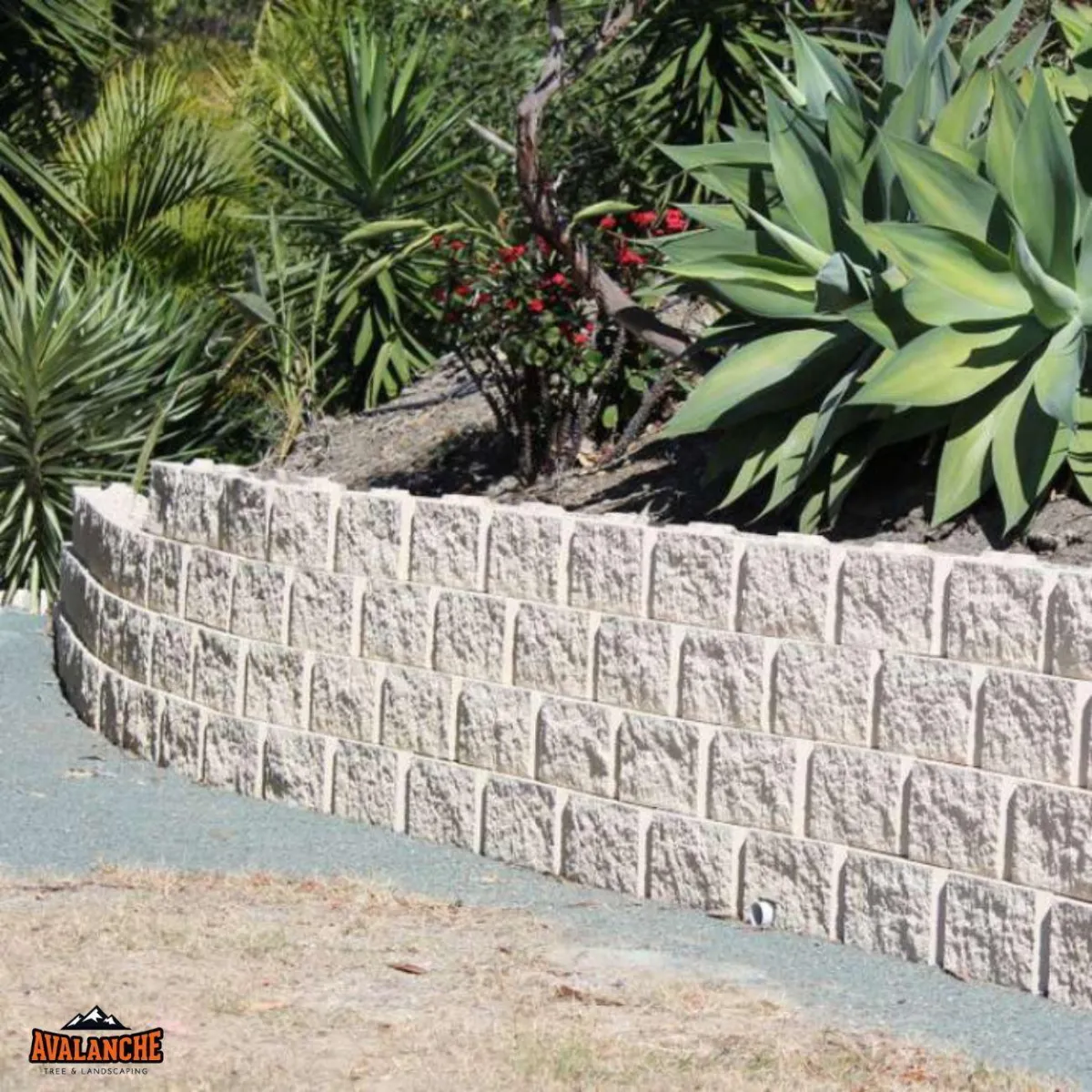
Hardscape Design/Masonry
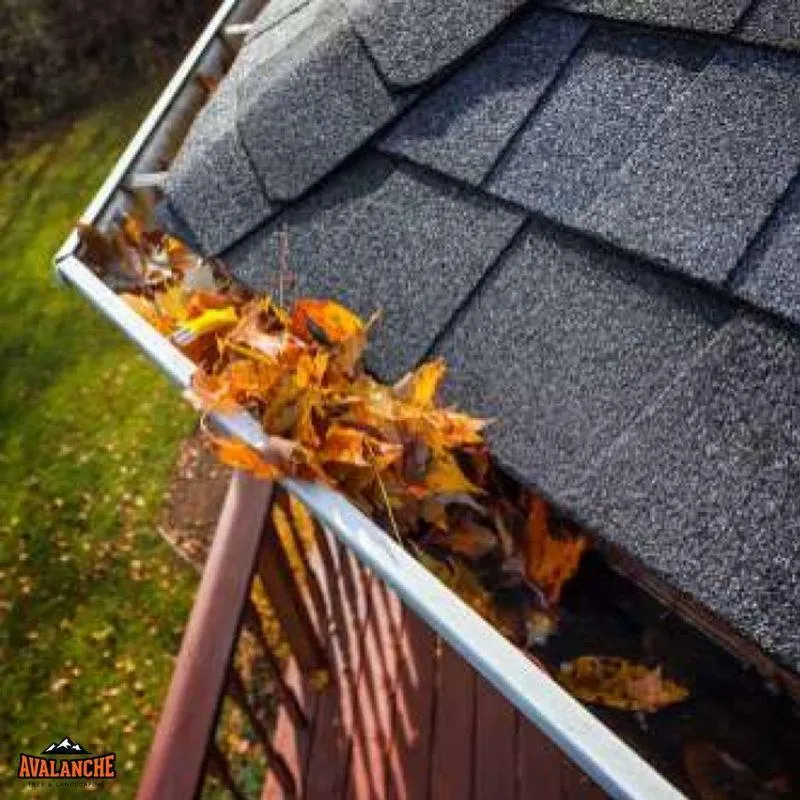
Gutter Cleaning
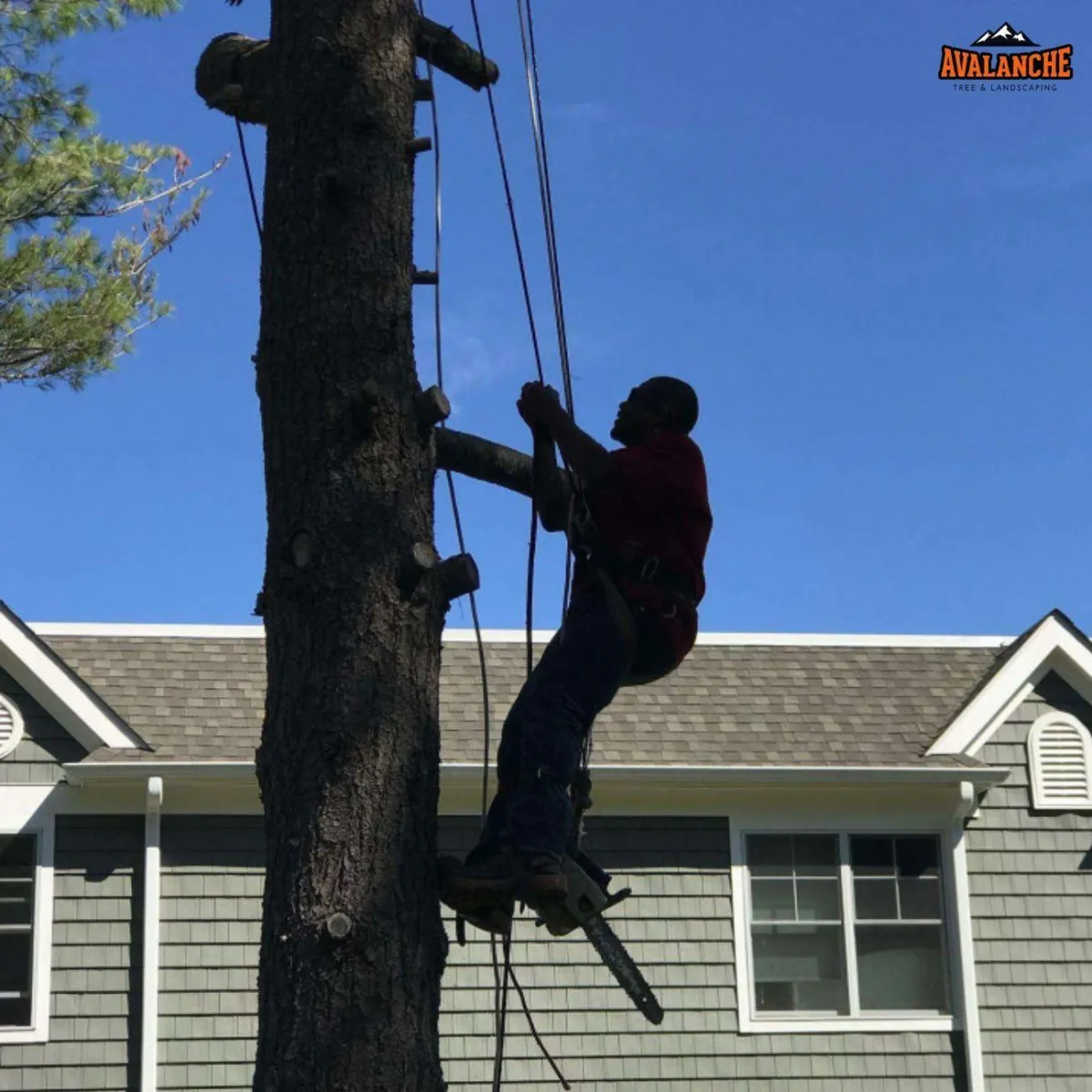
Additional Tree Services
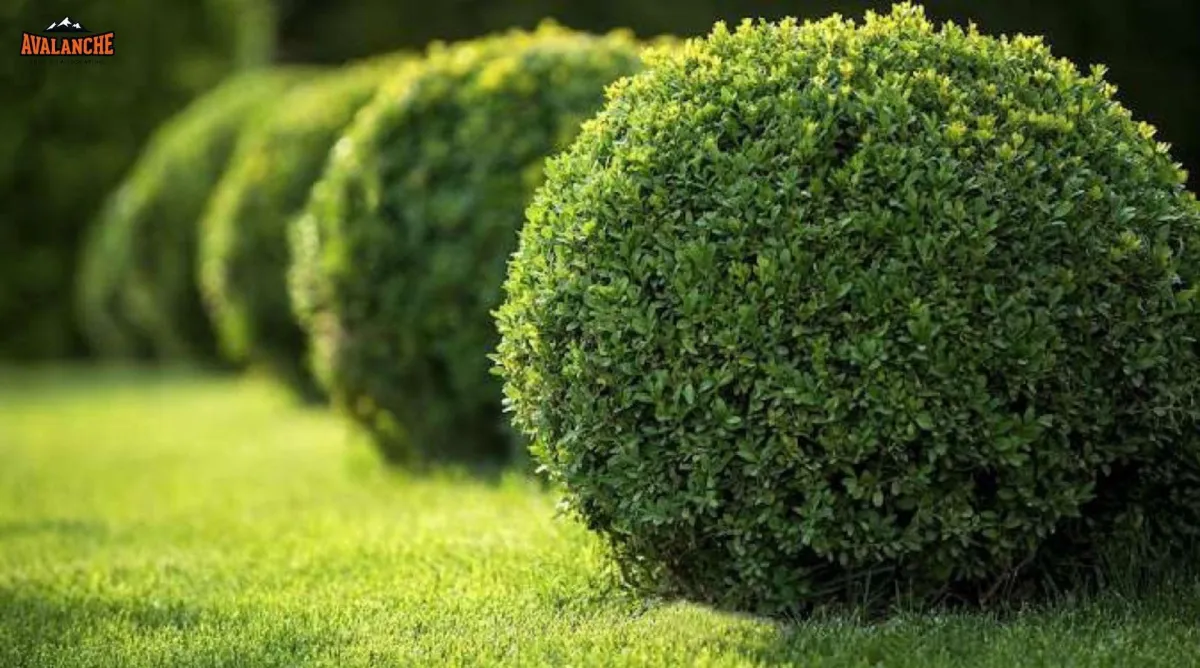
Rely on a well-qualified team
Living in New Haven, CT, offers a balance of urban convenience and affordability, with costs varying by neighborhood. Areas near Yale University and downtown often have higher housing prices due to demand, while surrounding communities provide more budget-friendly options. Keeping your property well-maintained is essential in this dynamic real estate market, whether you’re a homeowner or business owner.
Avalanche Tree and Landscaping LLC provides expert landscaping, tree removal, hardscaping, and snow removal services to keep your home or business looking its best year-round. A well-maintained outdoor space not only enhances aesthetics but also increases property value and safety. Whether you need seasonal maintenance or a complete landscape transformation, we’re here to help.
The Benefits of Professional Mowing Services in New Haven
Elevating Your Lawn Care Experience with Professional Mowing Services in New Haven
Precision and Expertise
Turning to professional mowing services offers a range of benefits, and one of the primary advantages lies in the precision and expertise that such services bring to the table. At Avalanche Tree and Landscaping LLC in New Haven, CT, our team comprises highly skilled professionals who possess an in-depth understanding of the unique intricacies associated with New Haven's climate, soil conditions, and various grass types.
New Haven, like any region, has its distinct climate patterns and soil characteristics that directly impact the health and growth of the grass. Our experienced professionals are well-versed in these factors, enabling them to create a mowing plan that is specifically designed to address the specific needs of lawns in the area.
Precision is a top priority for our team. Unlike haphazard or inconsistent mowing, professional services focus on delivering an even cut across the entire lawn. This precision is not only aesthetically pleasing but also plays a significant role in promoting healthier grass growth.


I was looking for a landscaping company local that would be reliable and reasonable let me just say they were the Best I've had take care of my property my wife was very happy let's just say we're not in need of a landscaping company anymore they are the best
Gregory S.
Avalanche managed to get a big truck into our back yard and take down a large branch (and some smaller ones) hanging over our property from our neighbor's yard. It was a tight squeeze for the truck, and the branch was in a very difficult location. They managed to do all of that without scratching a thing and left everything very clean. They also removed a stump from the back of our garage, again with a minimum of fuss and left it all very clean. I plan to use them in the future for the next tree that needs to be removed or cut back.
Stephen S.
Quality work and clean up. Great customer service. Fast and efficient in work and responding to communications. Neighbors were very impressed with Greg's knowledge and professionalism. Highly recommend. Would hire again without any hesitation! Thank you Greg, it was a pleasure working with you.
Jessika B.
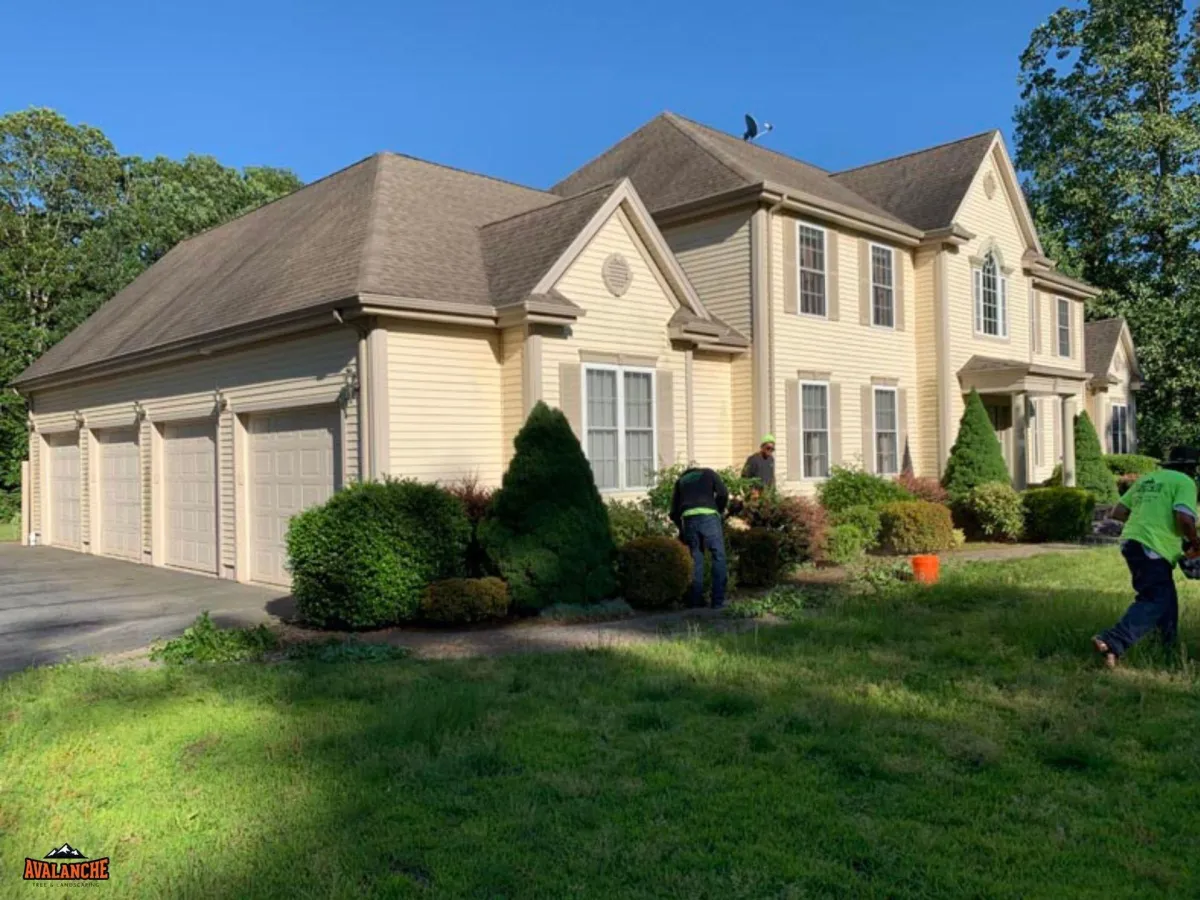
Our Approach to Customer Satisfaction
We believe that your vision is the heartbeat of every project, and we are committed to bringing it to life. Our transparent collaboration, dedication to quality, respect for timelines, and responsive issue resolution ensure that your experience with us is nothing short of extraordinary. We don't simply provide tree and landscaping services at Avalanche Tree and Landscaping LLC in New Haven, CT we create outdoor experiences. Our persistent dedication to excellent customer communication and satisfaction is key to our goal.

Your Vision, Our Guide
We understand that your outdoor space is a canvas for your dreams. Our approach begins with listening. We take the time to understand your vision, needs, and expectations. Your ideas become the guiding stars in the constellation of our services, ensuring that every project is a reflection of your unique desires.

Transparent Collaboration
Effective communication is a two-way street. We believe in a transparent collaboration where your voice is not just heard but celebrated. We invite you to actively participate in the process, ask questions, provide feedback, and share concerns. Your insights are invaluable in shaping the project.

Real-Time Updates
We value your time and your curiosity. Throughout the project, we provide real-time updates on the progress. Whether it's a tree removal, landscaping design, or routine maintenance, you'll always be in the loop. These updates help you stay informed and confident in the work being done.

Quality at the Core
Customer satisfaction isn't just a goal; it's our guiding principle. We are passionate about our craft and take immense pride in delivering high-quality services. Our team of skilled arborists and landscapers adhere to industry best practices, ensuring that every detail is executed with precision.

Timely Delivery
We respect your time and your deadlines. Our project timelines are carefully crafted to ensure efficiency without compromising quality. Your project will be completed on schedule, leaving you with a beautiful, functional outdoor space to enjoy

Addressing Concerns with Care
Addressing Concerns with Care
In the course of any project, obstacles might arise, but our distinctive approach to handling them sets us apart. Whenever a challenge emerges, we swiftly evaluate the situation to comprehend its essence and extent. Our team is wholeheartedly committed to efficiently and effectively resolving challenges.
Custom Care for Every Landscape
Not all outdoor projects are alike. One month you may need basic lawn mowing and fertilization. The next month, you might have to take down a hazardous tree in your yard. You can count on a landscape designer and lawn care pro from our team for your:
Tree removal or trimming service
Professional tree climbing service
Retaining walls repair and installation service
Lawn installation & maintenance service
Mulching and fertilization service
Power washing service and gutter cleaning
Speak with power washing, tree service and landscaping experts from our team now by calling
203-800-3010.
Tree & Landscaping FAQS
Here are answers to some common questions.
Tree & Landscaping FAQS
Here are answers to some common questions.
What services does Avalanche Tree and Landscaping LLC offer?
We offer a comprehensive range of services to transform and enhance your outdoor spaces. Our services encompass tree work, stump grinding, lawn care, snow cleanup, landscape design, hardscape design, masonry, gutter gleaning and more. From tree trimming and removal to creative landscape design, we tailor solutions to match your vision and needs. Our experienced team is skilled in delivering safe and efficient tree services, while our landscape experts can create captivating outdoor environments. Whether you're looking to revitalize your property's curb appeal, add functional hardscape features, or ensure the health of your trees, we're here to provide expert guidance and exceptional results. At Avalanche Tree & Landscaping, we take pride in delivering services that elevate the beauty and value of your property while providing outstanding customer satisfaction.
Do you provide both residential and commercial tree & landscaping services?
We cater to both residential and commercial clients, offering a wide array of tree and landscaping services. Whether you're a homeowner looking to transform your backyard oasis or a business owner aiming to enhance your property's exterior, our expert team is equipped to meet your needs. Our services range from tree pruning and removal to landscape design and hardscape construction. With a deep understanding of the unique requirements of each sector, we deliver tailored solutions that align with your goals. At Avalanche Tree and Landscaping LLC, we pride ourselves on providing exceptional services that elevate the beauty, functionality, and value of properties across both residential and commercial landscapes.
Can you provide examples of your previous projects in the area to demonstrate your expertise and work quality?
Discover the expertise and quality of our work at Avalanche Tree & Landscaping in New Haven, CT. We're proud to showcase our skills through a portfolio of previous projects in the area. Our showcased projects encompass a range of tree and landscaping services, highlighting our commitment to excellence and attention to detail. From beautifully designed landscapes to successful tree removals, our portfolio reflects our dedication to delivering outstanding results. At Avalanche Tree & Landscaping, we believe in transparency and building trust with our clients. Our project examples demonstrate our capabilities and the level of craftsmanship you can expect when you choose us for your Tree & Landscaping needs.
Do you know local tree and landscaping regulations in New Haven? Can you help with obtaining permits?
Our team is knowledgeable about the guidelines and permits necessary for tree preservation and landscaping projects in the area. We understand the importance of adhering to these regulations to ensure the legality and sustainability of your projects. Whether it's obtaining permits for tree removal or ensuring compliance with landscaping codes, we offer assistance throughout the process. Our expertise allows us to streamline the administrative aspects, letting you focus on your vision while we handle the paperwork. With Avalanche Tree and Landscaping LLC, you can trust that your projects will align with local regulations and be executed seamlessly, ensuring a successful and hassle-free experience.
Is New Haven, CT nice to live in?
New Haven, CT, offers a blend of urban and natural beauty, ideal for residents. With its historic charm, Yale University, and cultural amenities, it’s a vibrant place to live. The city's parks and green spaces, perfect for outdoor activities, make it an attractive choice for nature lovers and families alike.
Do you need a license to do landscaping in CT?
Yes, you need a Home Improvement Contractor License (HIC) to legally perform landscaping work in Connecticut. This license ensures compliance with state regulations and protects both contractors and clients. Avalanche Tree and Landscaping LLC is fully licensed, guaranteeing professionalism and quality in every project we undertake.
What is a good landscaping budget In New Haven CT?
A good landscaping budget in New Haven, CT, typically ranges from $3,000 to $10,000, depending on project size and complexity. For basic lawn care and maintenance, expect to spend around $3,000. More extensive projects, such as patio installations or complete garden redesigns, can cost upwards of $10,000.



Quick Links
Our Services
All Rights Reserved | Avalanche Tree and Landscaping LLC © 2026
Website Managed by Leads By Vinny